
 String Instr
 Percussion Instr
 Wind Instr
 Keyboard Instr
 Tools
Tools Books
BooksThe Tonbak, also known as the Zarb Drum or Tonbak, is a traditional Persian percussion instrument with a significant place in the country’s vibrant musical history. This article examines the instrument’s rich background, construction, cultural importance, and relevance in today’s music scene. Join us on this rhythmic expedition into the captivating world of the Tombak.
What is a Tonbak?
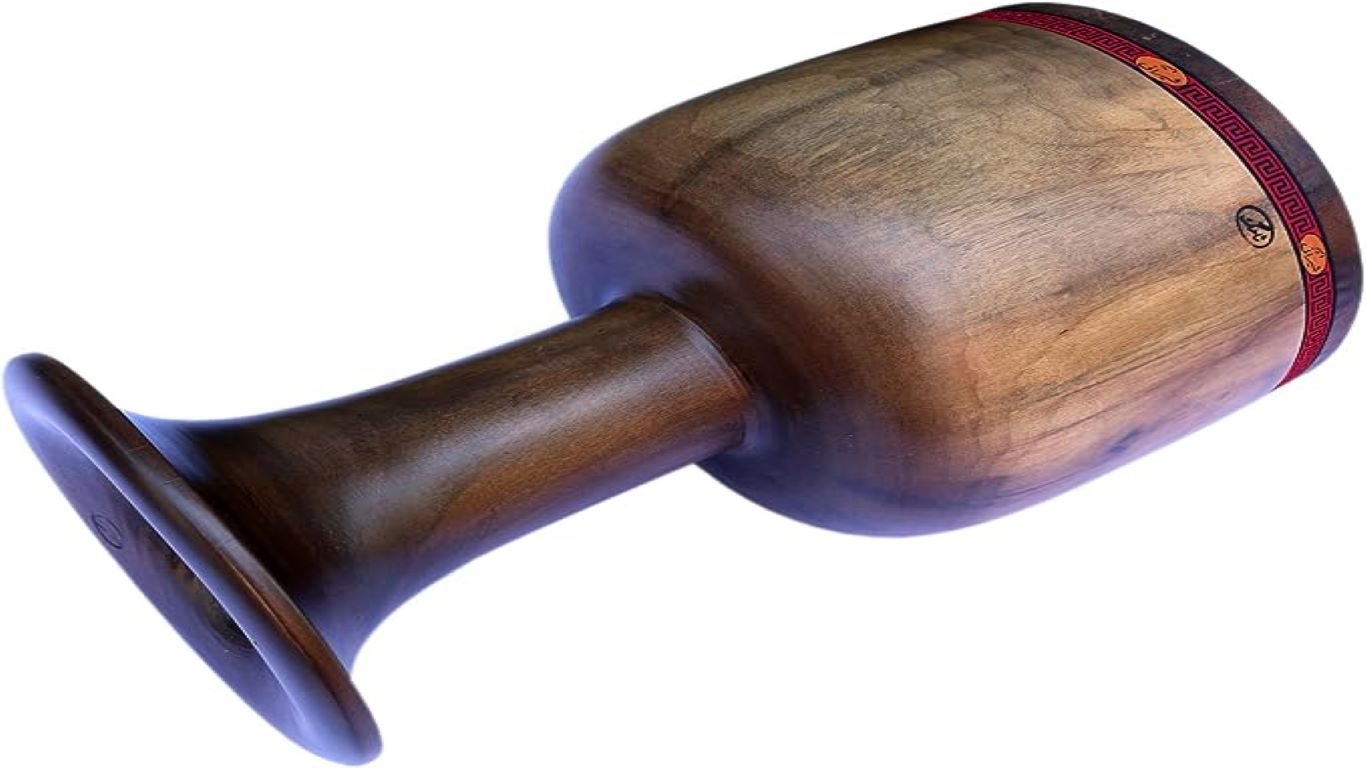
This instrument, a drum carved into the shape of a goblet, is renowned for its vibrant sound. This Persian classical music instrument holds immense significance and is treasured by musicians. Its exquisite playing technique enables artists to create a diverse range of tones, granting them the flexibility to express their musical ideas with precision and artistry.
Tombak vs. Zarb Drum
Before we delve into the topic, let us start by defining some terms. It is essential to differentiate the Tombak and Tonbak from the Zarb Drum, a related but distinct instrument. In this discussion, we will explore the differences between these instruments and emphasize their unique characteristics.
Design and Construction of Tonbak
Crafting a Tombak requires skill. Typically made from a single piece of wood, this instrument features a slender body, wide drumhead, and narrow neck. By delving into the materials and techniques employed in its construction, we can gain a deeper appreciation for the unique tones it produces.
The Persian Tonbak Tradition
To fully grasp the significance of the Tonbak, it is crucial to acknowledge its cultural importance. Beyond being a musical instrument, the Tonbak symbolizes Persian heritage and serves as a source of pride. In this exploration, we will delve into how the Tonbak intricately connects with Persian traditions, ceremonies, and the art of storytelling through music.
Where Is The Tonbak From?
The Tonbak is a percussive instrument that originated in Iran and holds a significant role in the country’s musical traditions. Its deep roots in Persian music have become an essential part of Iran’s cultural heritage. Throughout centuries, its significance within Iran’s vibrant musical landscape has been showcased.
The Tonbak is a percussion instrument deeply ingrained in Persian music, maintaining its integral role throughout generations. Its unique design and playing techniques have played a significant part in its lasting importance. Whether utilized in classical compositions or contemporary fusion, the Tombak is a testament to Iran’s vibrant musical heritage and artistic legacy.
The Role of Tonbak in Modern Music
The Tombak, deeply rooted in tradition, has also carved out a space in modern music. Musicians now incorporate this ancient instrument into diverse genres, ranging from classical to fusion, seamlessly bridging the gap between the past and present.
Tombak Instrument Price Range
The price of a Tombak instrument can vary greatly depending on the quality of materials used and the level of craftsmanship. For beginners, a Tombak typically costs between $200 and $500. However, professional-grade instruments can range from $1,000 to $2,000 or even higher.
The Unique Sound of the Wooden Goblet Drum
The Tonbak is known for its captivating sound, which exhibits expressive qualities reminiscent of the human voice. This discussion will explore the unique acoustic characteristics contributing to its remarkable nature.
What is a Tombak Used For?
The Tonbak, a goblet-shaped drum originating from Persia, holds significant prominence in traditional Persian music. Its rhythmic beats and intricate patterns are skillfully produced by striking the drum with hands or fingers.
How to Play the Tonbak
Proper Seating: Getting comfortable seating is the first step. Find a chair or stool that allows you to sit comfortably. Once seated, position the Tonbak between your knees stably and securely.
Hand Placement: When holding a drumstick, make sure your dominant hand (usually the right for right-handed individuals and vice versa) is on top, while the non-dominant hand supports from below. Keep your fingers relaxed and close to the drumhead.
Mastering the Strike: Striking the Tombak drum with precision involves getting the primary strike known as “Tek.” This technique requires using the index finger of your dominant hand to strike the drumhead, creating a distinct and resonating sound. Practice this strike diligently to enhance your control and achieve accurate strikes.
Explore Tonal Variations: Experiment with various striking techniques to create tonal variations. Try using your fingertips for softer, more delicate sounds, and use the center of your index finger for louder and sharper tones.
Explore Tonal Variations: Start by learning the essential beats and rhythms commonly used in Persian music. Pay particular attention to mastering the timing and accents within these patterns.
Use of Fingers: As you progress, you can use your other fingers to add more tonal variations—Experiment with incorporating the ring finger of your dominant hand to create subtle changes in sound.
Improvise and Experiment: Be open to experimentation and improvisation when playing the Tombak. This percussion instrument offers a multitude of expressive options. Explore different accents and combinations to develop your distinctive style.
Listen and Learn: Immerse yourself in Persian music by listening and learning from experienced Tonbak players. Please pay close attention to their techniques, timing, and musical nuances.
Consistent Practice: Like any musical instrument, regular practice is crucial for mastering the Tombak. Set aside dedicated time each day to sharpen your skills and develop muscle memory.
Conclusion
The Tonbak represents more than just a musical instrument; it symbolizes Persian culture, history, and artistic expression. Its lasting impact in both traditional and modern music highlights its timeless allure. Whether you are an avid music lover or an aspiring musician, delving into the realm of the Tombak is a worthwhile expedition.
The Tonbak stands as a timeless symbol of Persian culture and musical artistry. Explore its rhythmic wonders, embark on a musical journey with Navasaz Academy and Padide Ahrarnejad, and be inspired by the mastery of Ali Massoudi.
FAQs
What is the difference between Tonbak and Tombak?
The terms Tonbak and Tombak are often used interchangeably, but slight differences exist in their design and usage. Generally, a Tonbak has a narrower neck and is renowned for its wide tonal range. On the other hand, a Tombak may feature a wider neck and have distinct playing techniques.
What are the different sizes of Tombak available?
Tombaks are available in different sizes to accommodate various playing styles and tonal preferences. The most common measures include small, medium, and large.
Can I learn to play the Tombak even if I have no prior musical experience?
Absolutely! Even if you’re a beginner, you can learn to play the Tombak. Some numerous academies and instructors offer courses specifically designed for individuals of all skill levels, including those who have never played. So, whether you.
What distinguishes the Tombak from the Zarb drum?
While the Tombak and Zarb drums have some similarities, they also have notable differences. The Tonbak has a shallower body, resulting in a distinct sound, whereas the Zarb drum offers a deeper resonance and is frequently utilized in classical Persian music.